


Strongerlocal
organizations, evidence-based decisions

AidLabs works with local humanitarian, peacebuilding and development organizations to turn field knowledge into structured evidence (with AI support, always reviewed by people) and connects them directly with international funding and technology.
Local organizations produce essential knowledge about their territories.
The challenge is having the systems to turn it into evidence and decisions.
What they usually lack is not experience, but the infrastructure to turn that experience into evidence that donors, coordination systems and their own leadership can act on.

One environment, from information to decision.
AidLabs is not a collection of standalone tools. It is a single environment that moves an organization's own information through the stages where evidence is built and used. AI supports every stage by structuring notes, drafting first versions and identifying patterns, while the organization keeps the interpretation and the final decision.
Needs analysis
1Program design
2Project management
3Monitoring and evaluation
4Organizational learning
5Evidence for advocacy and decision-making
6Everything you need to turn information into action.
A platform designed to support local organizations throughout their work: our modules bring together the tools to understand needs, manage projects, monitor progress and preserve the knowledge that comes from work on the ground.
Project Management & Monitoring
Design, track and report on a project from one place, with monitoring and evaluation built into the project itself, not as a separate system.
- Project information, results framework and budget
- Reports generated from field records and evidence
- Project health tracking to catch problems before they become crises
Human Resources
Manage payroll, hiring, technical tests and recruitment processes for a small team, without adopting corporate HR software built for a different size of organization.
In development
Needs Analysis
Turn field data collection into a single evidence base that AI converts into analysis and information products ready for decision-making.
The organization can choose the product it needs. Each one adapts the analysis, structure and presentation of the information to its purpose:
- Needs Assessment
- Comprehensive Needs Analysis
- Needs Overview
- Emergency Resource Mobilization
- Situation Report
Living Diary
A lightweight space to record activities, achievements and challenges as they happen, so field knowledge is captured close to the real moment instead of being reconstructed from memory weeks later for a report.
- Entries by text, voice or attachments
- Feeds directly into project reports instead of living in a separate notebook
- Designed to lighten the load on an already stretched team
Case Management & Follow-up
Record, manage and follow up on individual cases in a structured, secure and traceable way, with history, alerts and follow-up actions in one place, so no case gets lost along the way.
In developmentLocalization takes more than transferring resources.
It takes transferring capacity.
Funding a local organization without also strengthening its information systems, analytical capacity, program design capacity, institutional memory and access to appropriate technology leaves the underlying imbalance intact: someone else still has to interpret the local organization's own context for it.
AidLabs works specifically on that second, less-discussed half of localization, helping local organizations generate, manage and use their own evidence, independently and on their own terms.
Zero cost
Eligible local organizations never pay, at any level of the relationship.
Zero intermediation
The funding we help connect never passes through AidLabs' accounts.
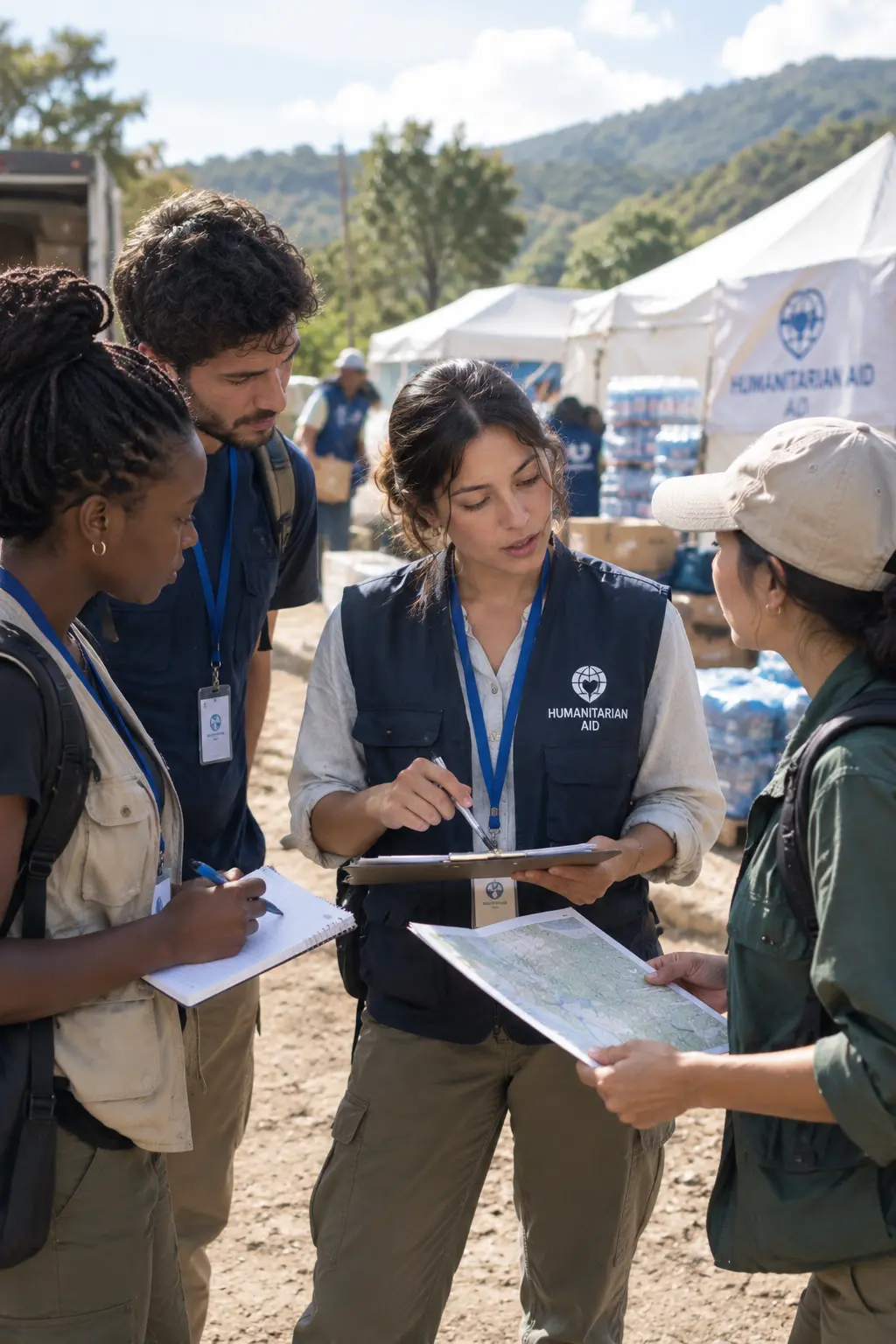
The leadership and contextual expertise are already theirs.
AidLabs lowers barriers; it does not replace agency.
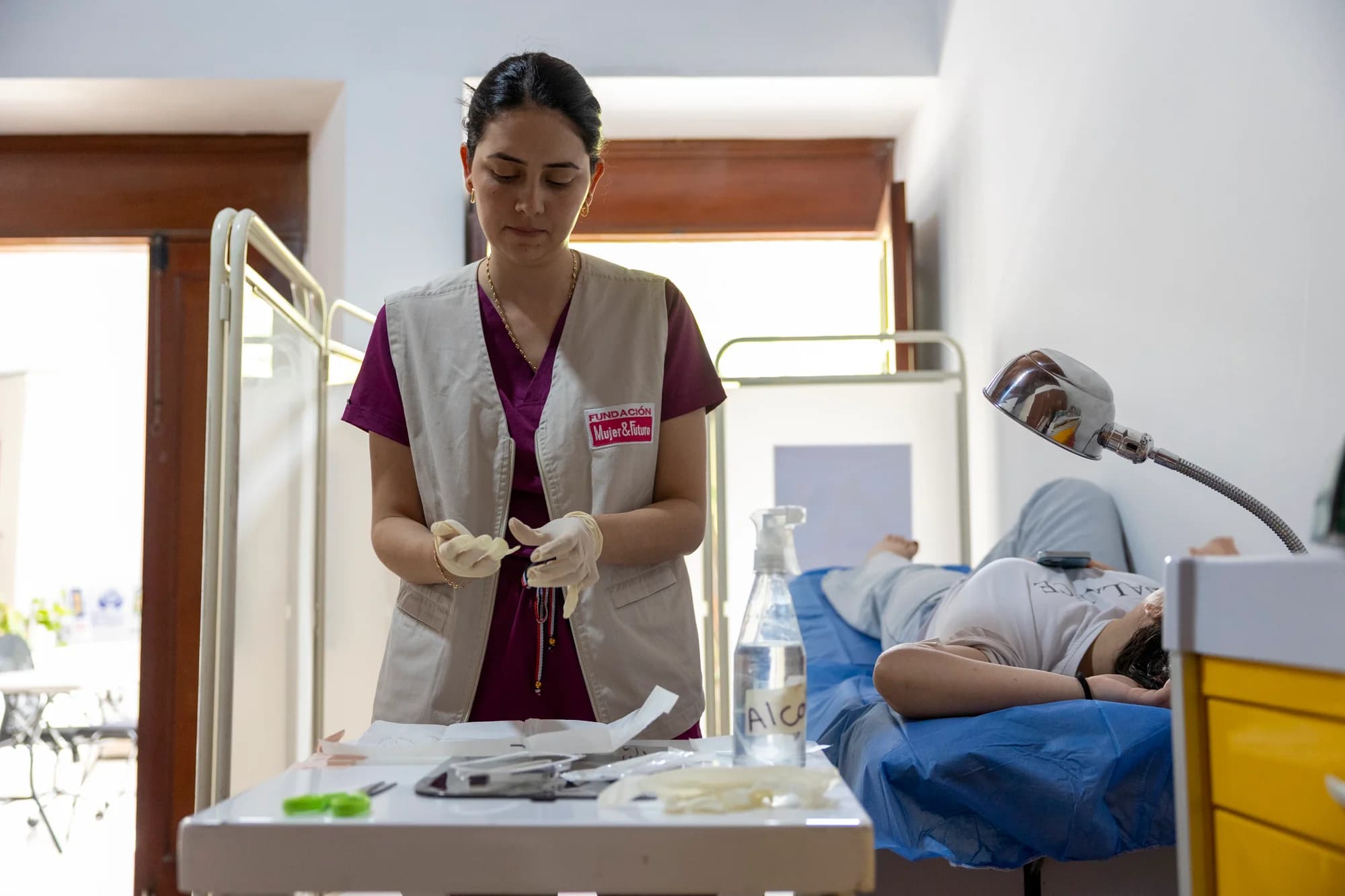
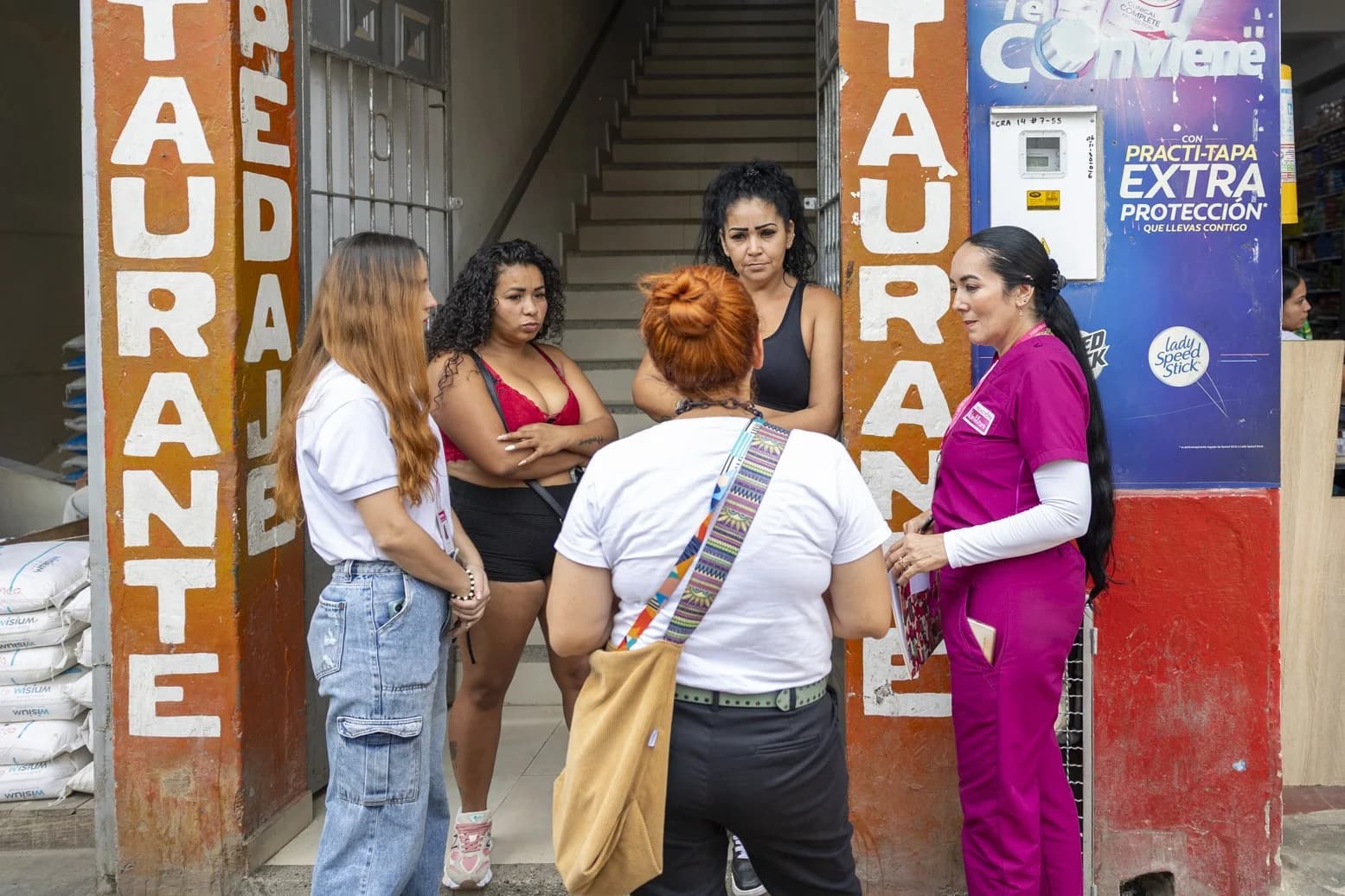
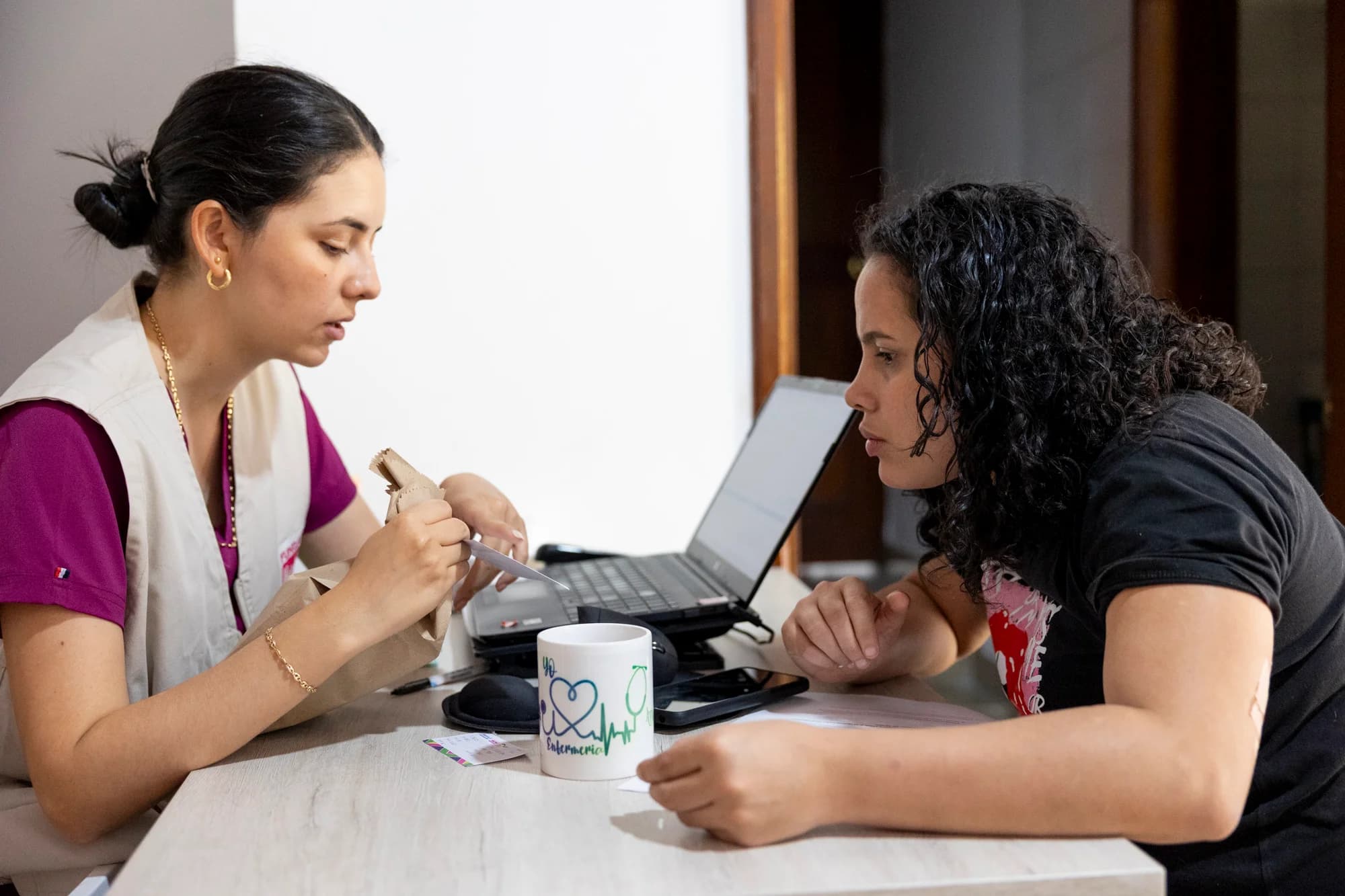
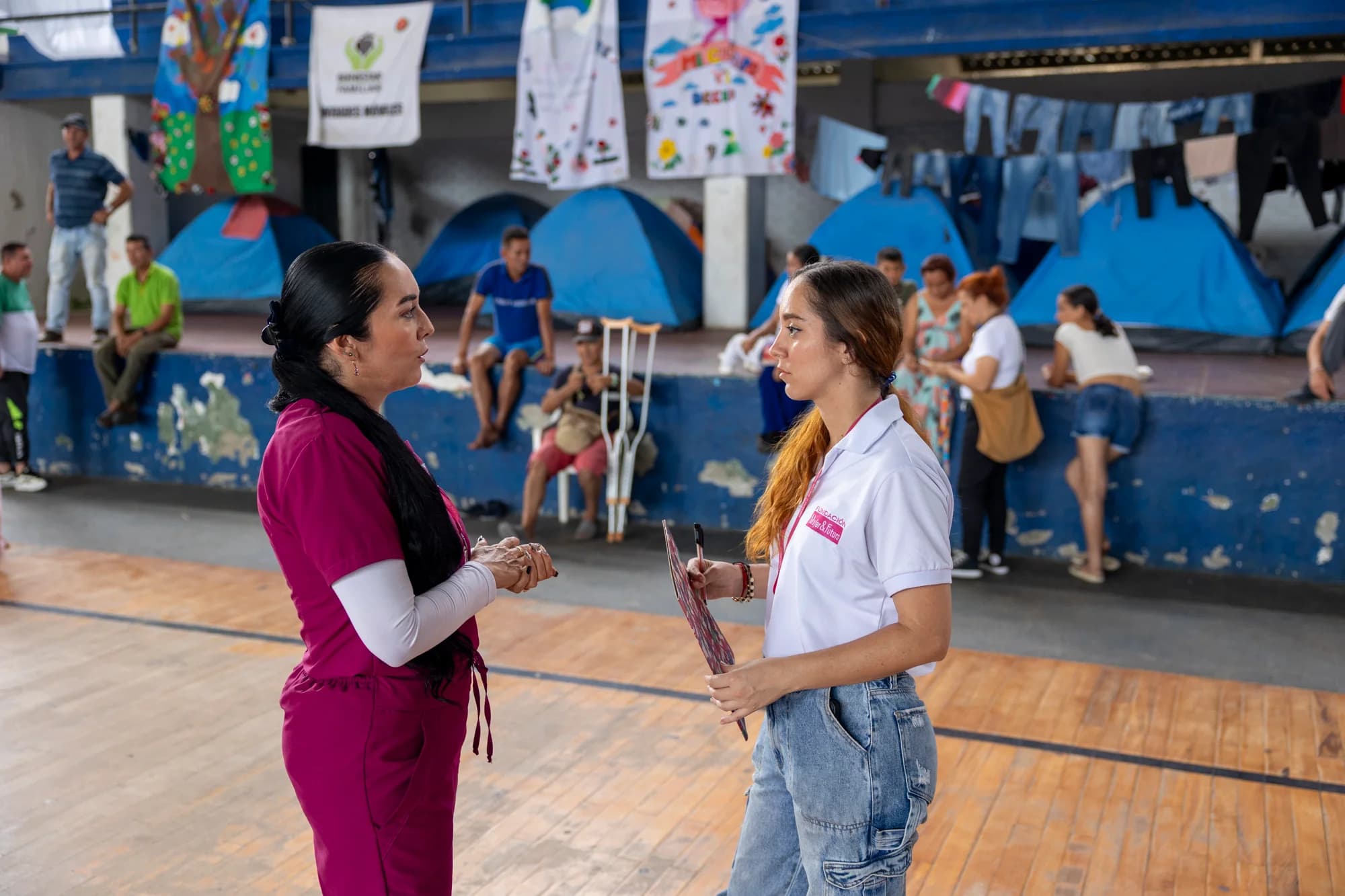
The photographs document activities carried out by Fundación Mujer y Futuro with communities facing access barriers in the Catatumbo region of Norte de Santander, on the Colombia–Venezuela border.Photo credit: David Estrada Larrañeta / Fundación Mujer y Futuro, 2025

Tested with a real local organization, not a hypothetical user.
AidLabs is validating its approach through direct work with the local organization Fundación Mujer y Futuro in the Catatumbo region of Colombia.
In early testing, offline mode worked well and users found it intuitive to create and use forms in the field. The pilot also explored some 25 planned interviews with officials, women and community leaders, the use of information for advocacy, integration with the gender strategy, and feedback on the projects module (Theory of Change and logical framework).
About Fundación Mujer y Futuro
In Colombia, Fundación Mujer y Futuro (FMF) works to expand women's and girls' access to sexual and reproductive health, information and the exercise of their rights. Its work on the ground combines sexual and reproductive health services, including access to long-acting contraceptive methods; prevention of and protection from gender-based violence; psychoeducational processes; psychosocial and legal support for women survivors of violence; and emergency humanitarian response within 72 hours.
Why AidLabs?
Reason 01 of 06
Built from humanitarian experience
AidLabs was built by people with direct experience in humanitarian coordination, localization and program management, not by a tech team looking for a sector to break into.
Frequently asked questions
Let's talk about how your organization uses
information

Whether you are exploring a pilot, thinking through a specific program challenge, or considering a partnership, AidLabs starts with a conversation about what your organization actually needs, not a sales pitch.